wellness
Temperature, Light, and Noise Disrupt Columbus Residents' Sleep Quality
Columbus residents lose measurable rest when bedroom conditions stray from narrow ranges for heat, darkness and sound.
How we reported this
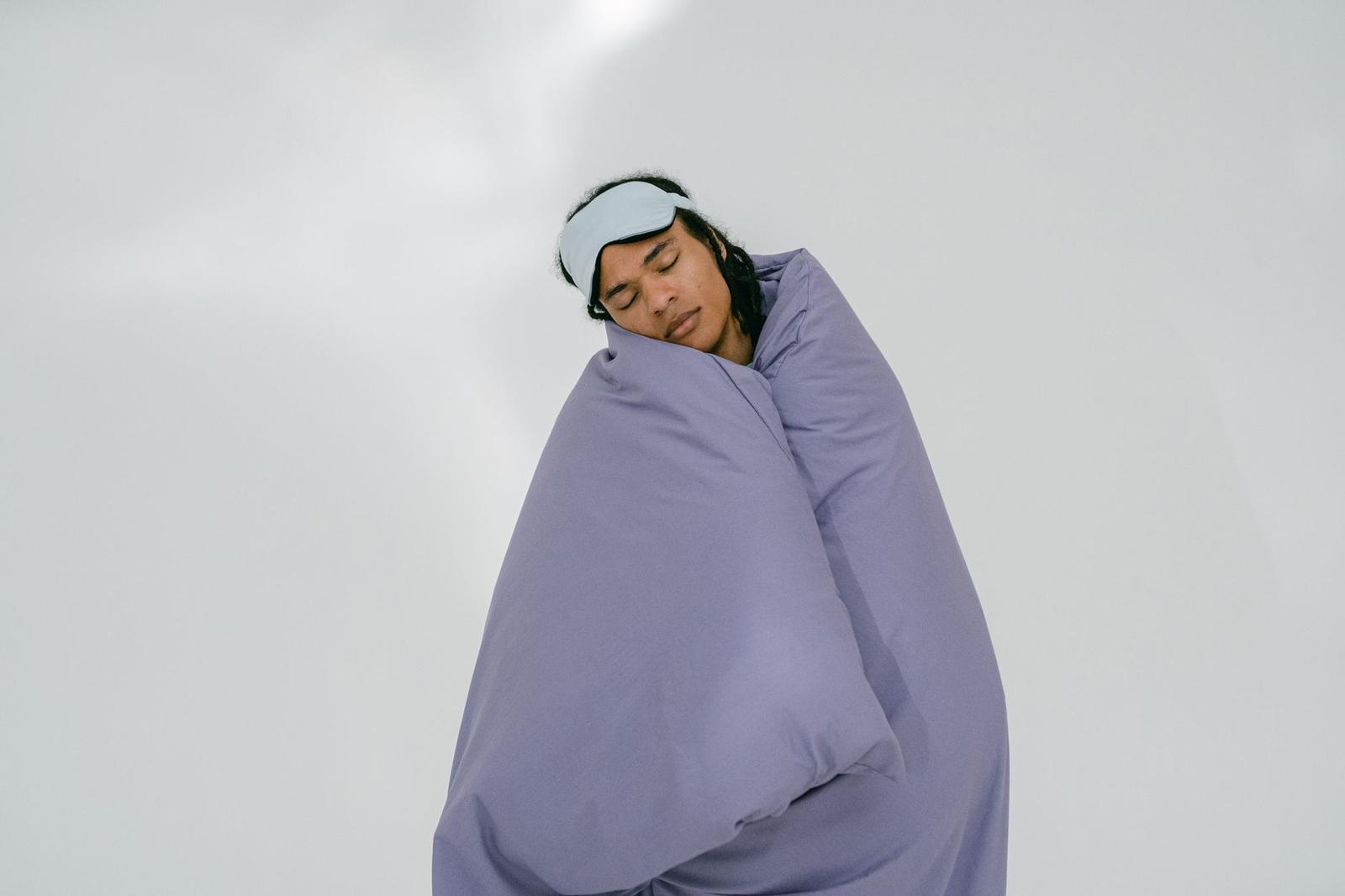
Bedroom temperatures above 72 degrees are cutting into sleep time for many in Columbus this summer.
July heat and longer daylight push indoor conditions outside the range that supports continuous rest. Local health data show that one in three Franklin County adults report waking at least three times a night, a pattern tied directly to these three factors rather than medical conditions alone.
Temperature swings on the Near East Side
Residents along East Broad Street and in the Olde Towne East neighborhood see indoor readings climb above 78 degrees on summer nights when window units cycle off. The Columbus Recreation and Parks Department runs a free six-week sleep workshop at the Beatty Park Recreation Center that begins with a temperature check using inexpensive digital sensors. Participants who kept rooms between 65 and 68 degrees recorded 38 fewer minutes of wake time after two weeks, according to program logs from the 2025 session that ended in October.
Light and noise on High Street corridors
Streetlights and late traffic on North High Street keep melatonin onset delayed for people living within two blocks of the corridor. The Ohio State University Wexner Medical Center sleep clinic on Olentangy River Road measured light levels in 120 patient bedrooms last year and found average nighttime brightness of 18 lux, well above the 5 lux threshold recommended for deep sleep. The same study recorded noise spikes above 45 decibels from passing vehicles between midnight and 4 a.m. in 62 percent of those rooms.
Blackout shades cost between $45 and $120 per window at local hardware stores on Indianola Avenue. A basic white-noise machine runs $25 at the same outlets. The Wexner clinic reports that patients who added both items to their bedrooms showed an average 22-minute increase in total sleep time on follow-up actigraphy readings collected in March 2026.
Columbus residents can start tonight by setting thermostats to 66 degrees, installing one blackout panel, and running a low-volume fan. Those steps require no prescription and produce measurable change within seven days for most people.