culture
Columbus Museums and Opera House Reveal City's 1828 Origins and Cultural Legacy
The Springer Opera House and Columbus Museum provide visitors with concrete entry points to the city's documented history from 1828 onward.
How we reported this
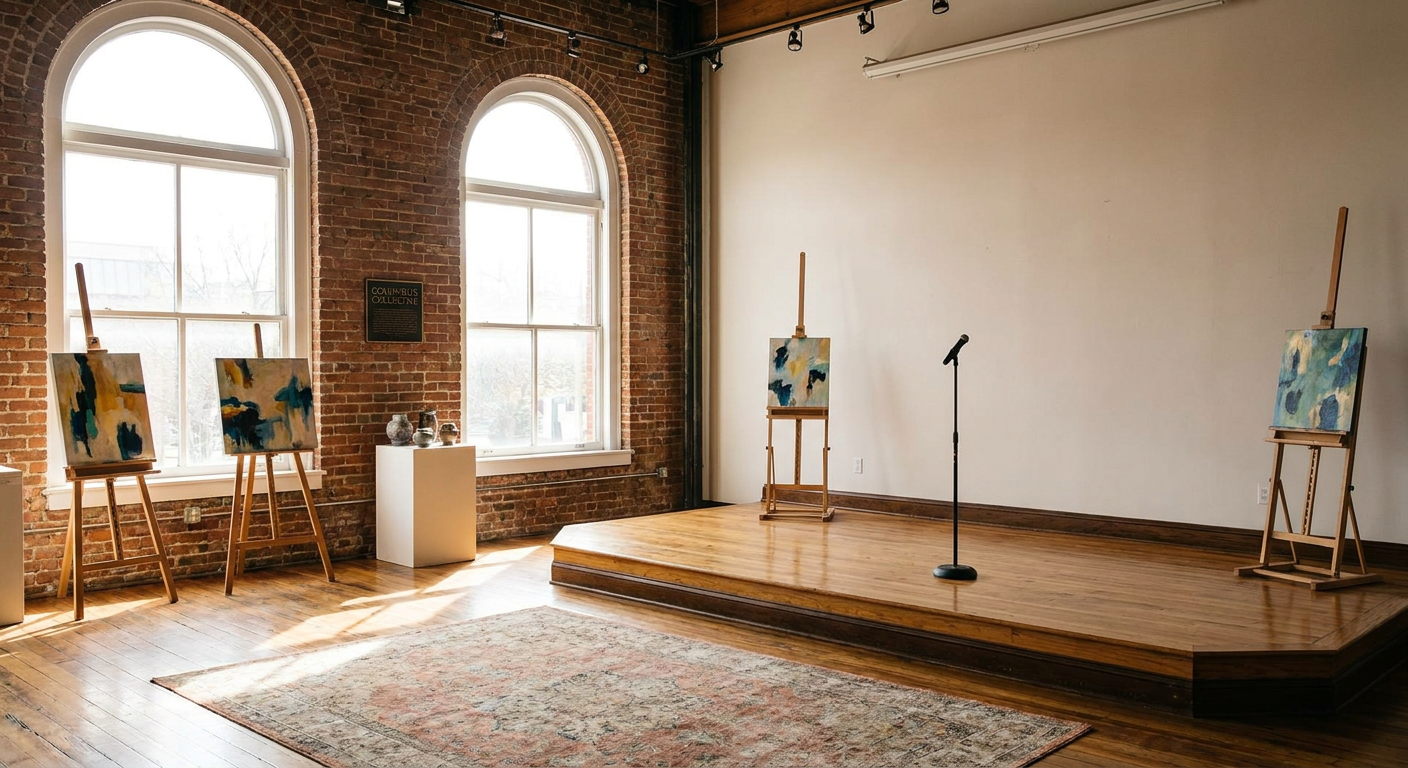
Columbus was founded in 1828 by an act of the Georgia Legislature at the fall line of the Chattahoochee River, named for Christopher Columbus and planned by Dr. Edwin L. DeGraffenried.
Founding and Early Industrial Record
By 1860 the city ranked as a leading textile center and earned the label 'Lowell of the South,' placing tenth among Confederate industrial sites in output. These facts remain visible through preserved structures that interpret the same period.
Springer Opera House
The Springer Opera House, constructed in 1871, operates as Georgia's oldest professional theater and holds National Historical Landmark status. Visitors can attend performances or tours that reference the building's continuous role since the nineteenth century.
Columbus Museum
The Columbus Museum opened in 1953 and maintains collections tied to the city's documented past, including its industrial growth and notable residents. Exhibits draw directly from local records without later additions.
Connections to Notable Residents
Columbus is recorded as the hometown of novelist Carson McCullers and blues pioneer Ma Rainey. The same sources link the city to Dr. John S. Pemberton, a veteran of the 1865 Battle of Columbus who developed the formula for Coca-Cola. These biographical ties appear in museum displays and theater programming focused on regional heritage.
During World War II the local population rose from 53,280 in 1940 to an estimated 75,000 by 1945, while Fort Benning expanded from 9,200 to around 100,000 personnel. Materials at both venues place these changes in context with earlier industrial expansion.
Visitors can begin at either the Springer Opera House or the Columbus Museum to review primary dates and records before exploring related sites along the Chattahoochee River corridor. Schedules and access details appear on the venues' own listings.